How to Tell a Duck
All ducks are birds, but not all birds are ducks. There are many different types of ducks.
Ducks exhibit a wide range of physical characteristics depending on the species.
Common Physical Features of a Duck
- Ducks possess a long, broad beak for scooping up food from water or land.
- Duck feet are webbed for efficient swimming.
- Drakes (males) often display vibrant and colorful feathers.
- Hens (females) are usually brown, gray, and/or white.
- Duck feathers are waterproof, due to a special system of blood vessels and oils.
- Duck lengths can range from about 20 to 30 inches.
- Ducks can weigh anywhere from 1.5 to 15 pounds.
- Ducks have serrated edges inside their bills that act as filters when feeding in water.
- source: A-Z Animals
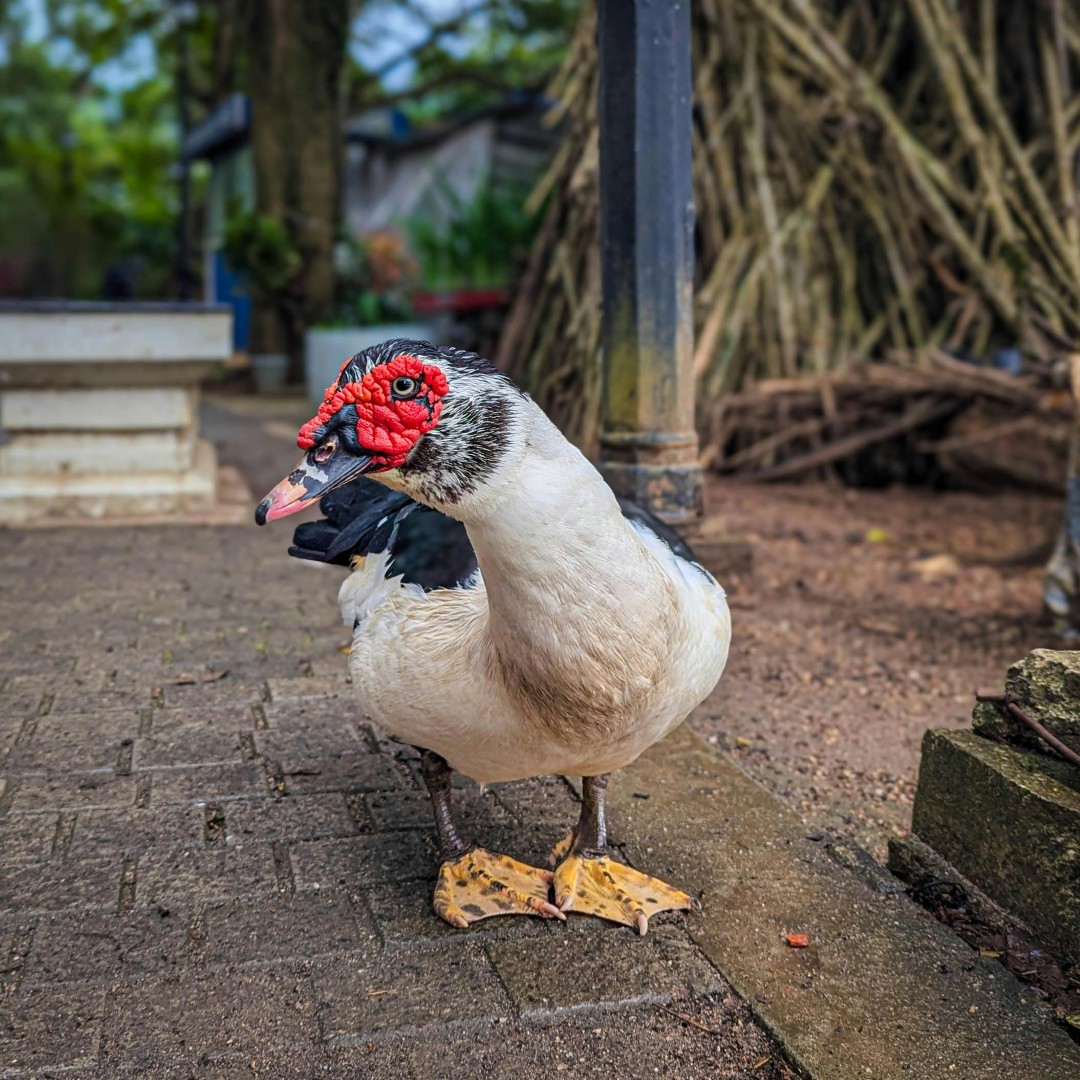
Muscovy Duck
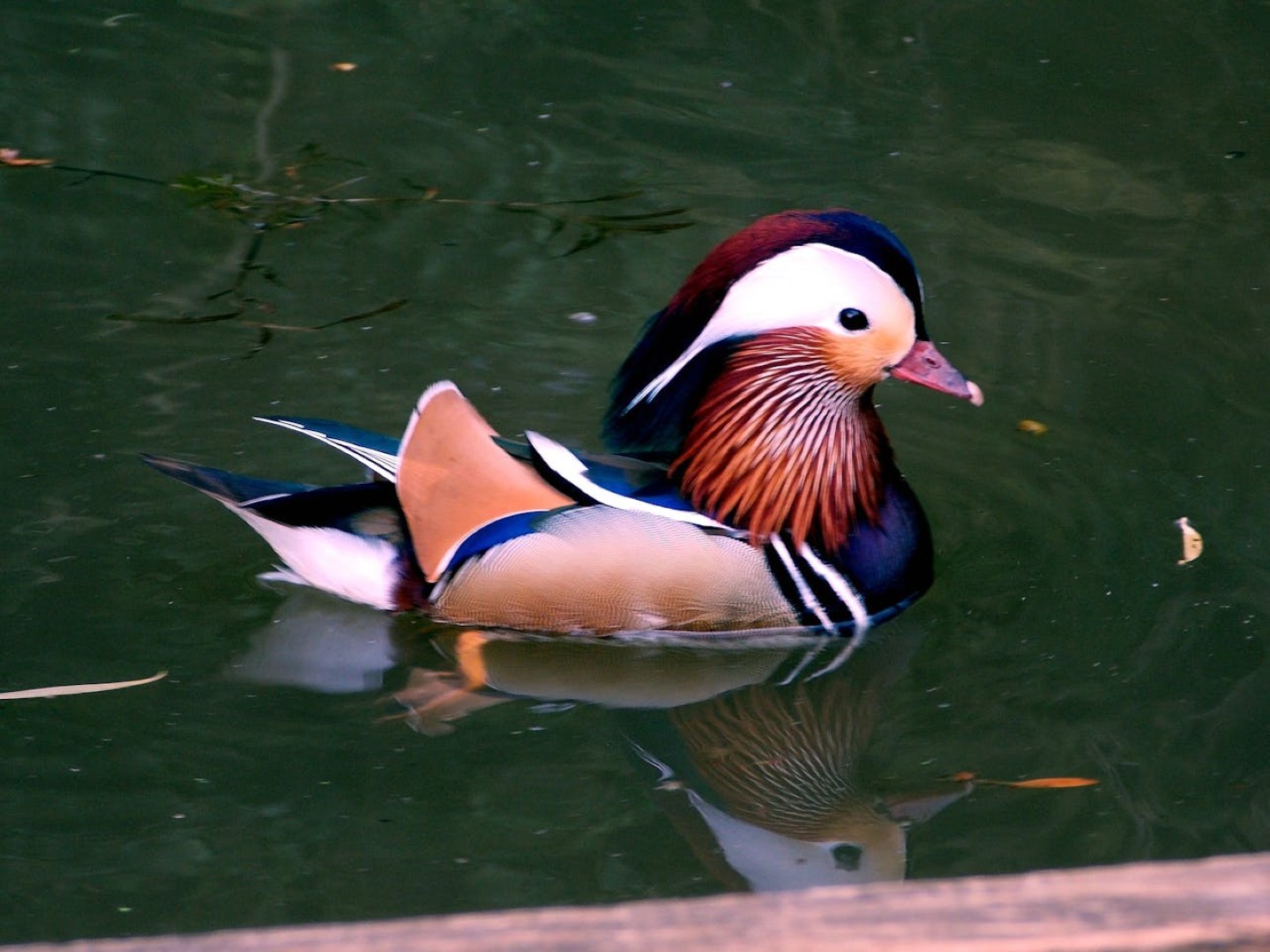
Mandarin Duck
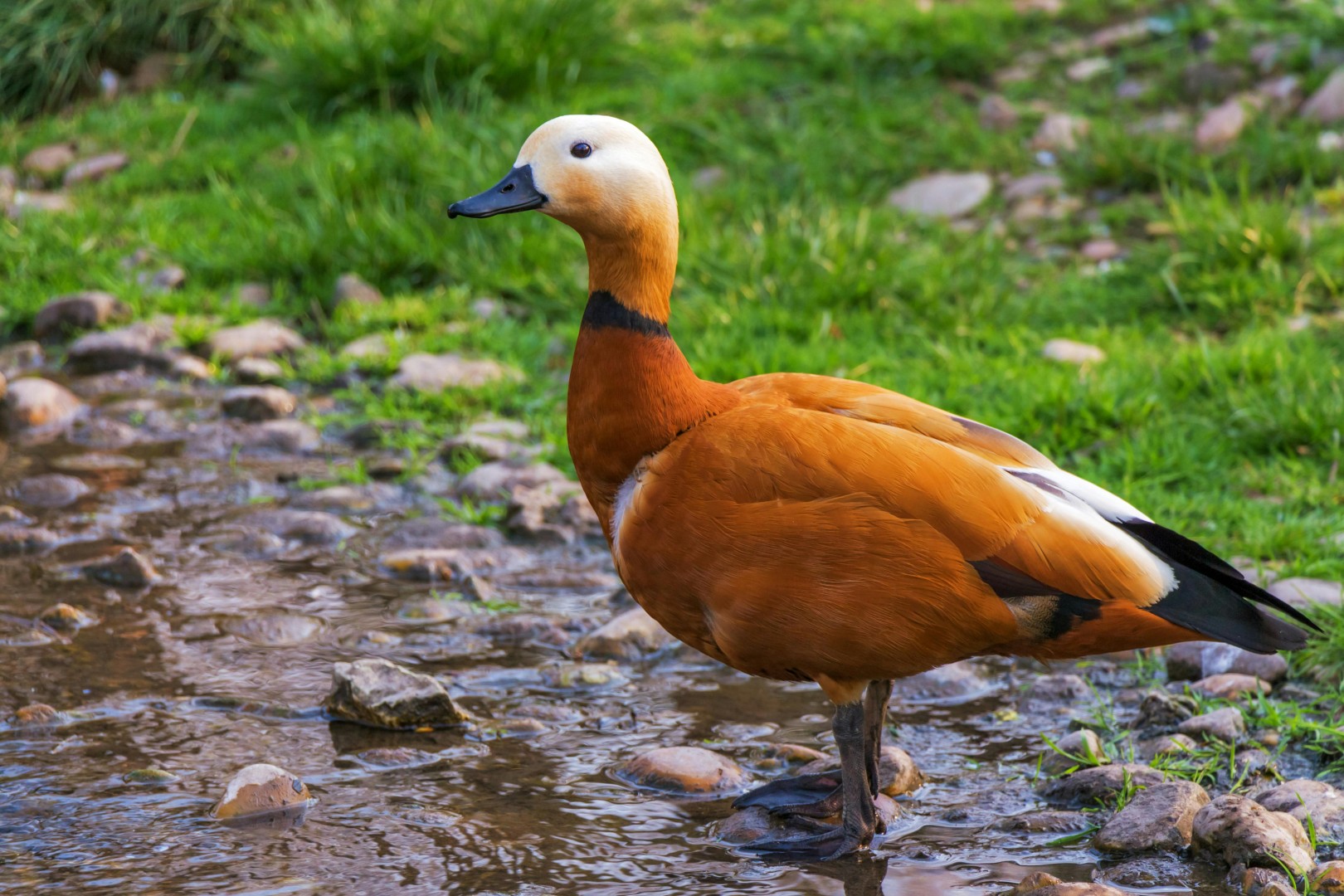
Ruddy Shelduck
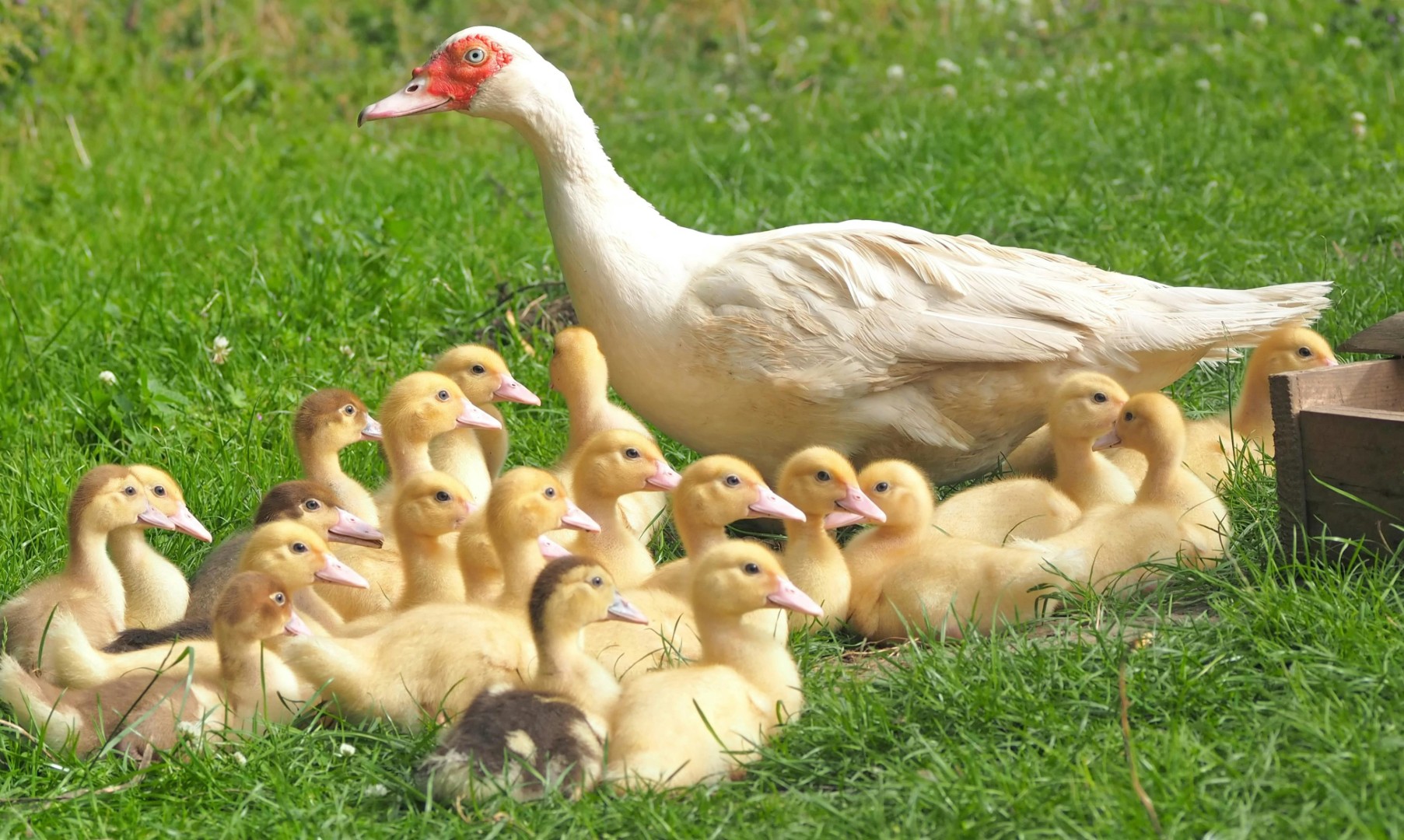
Muscovy Ducks
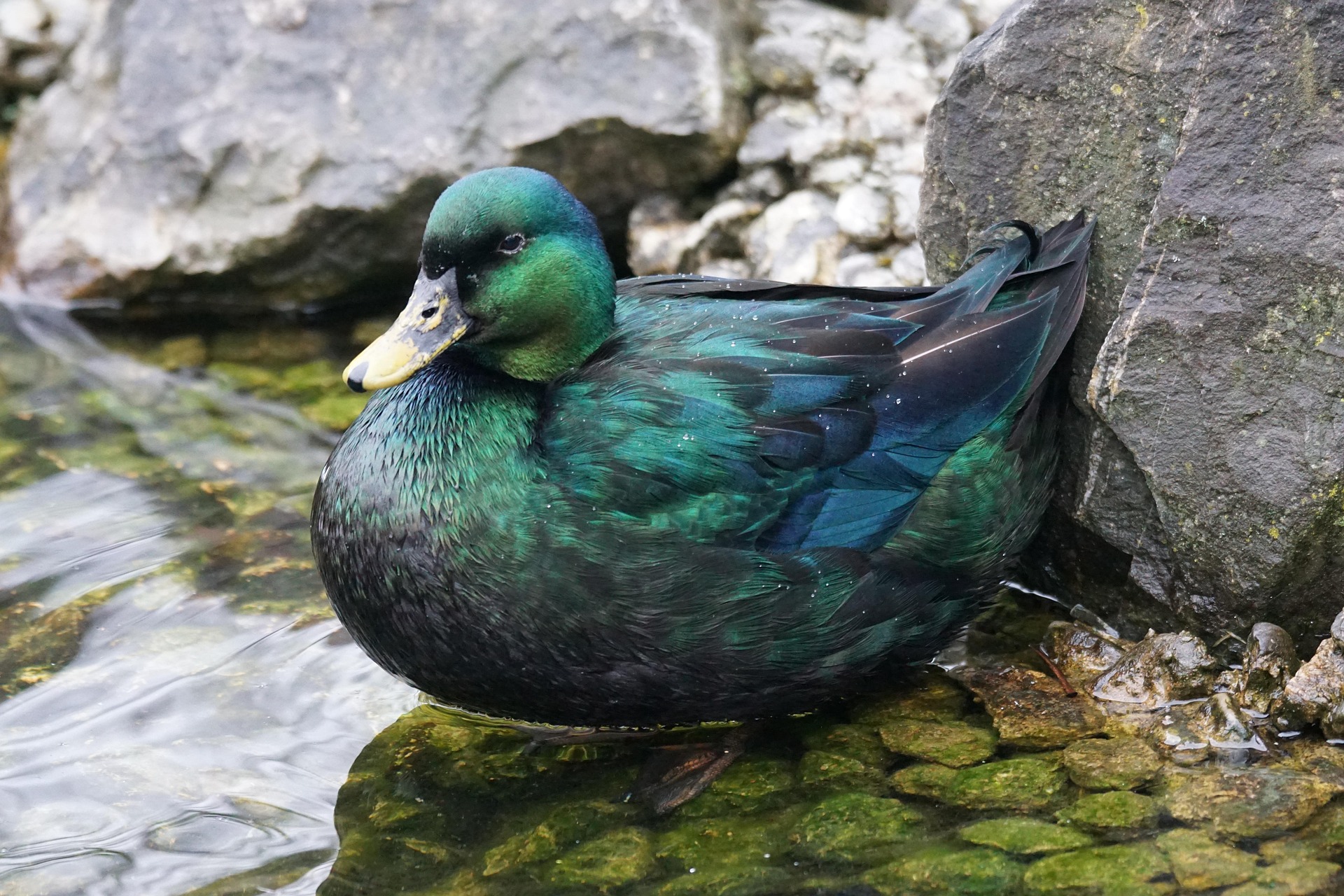
Emerald Duck
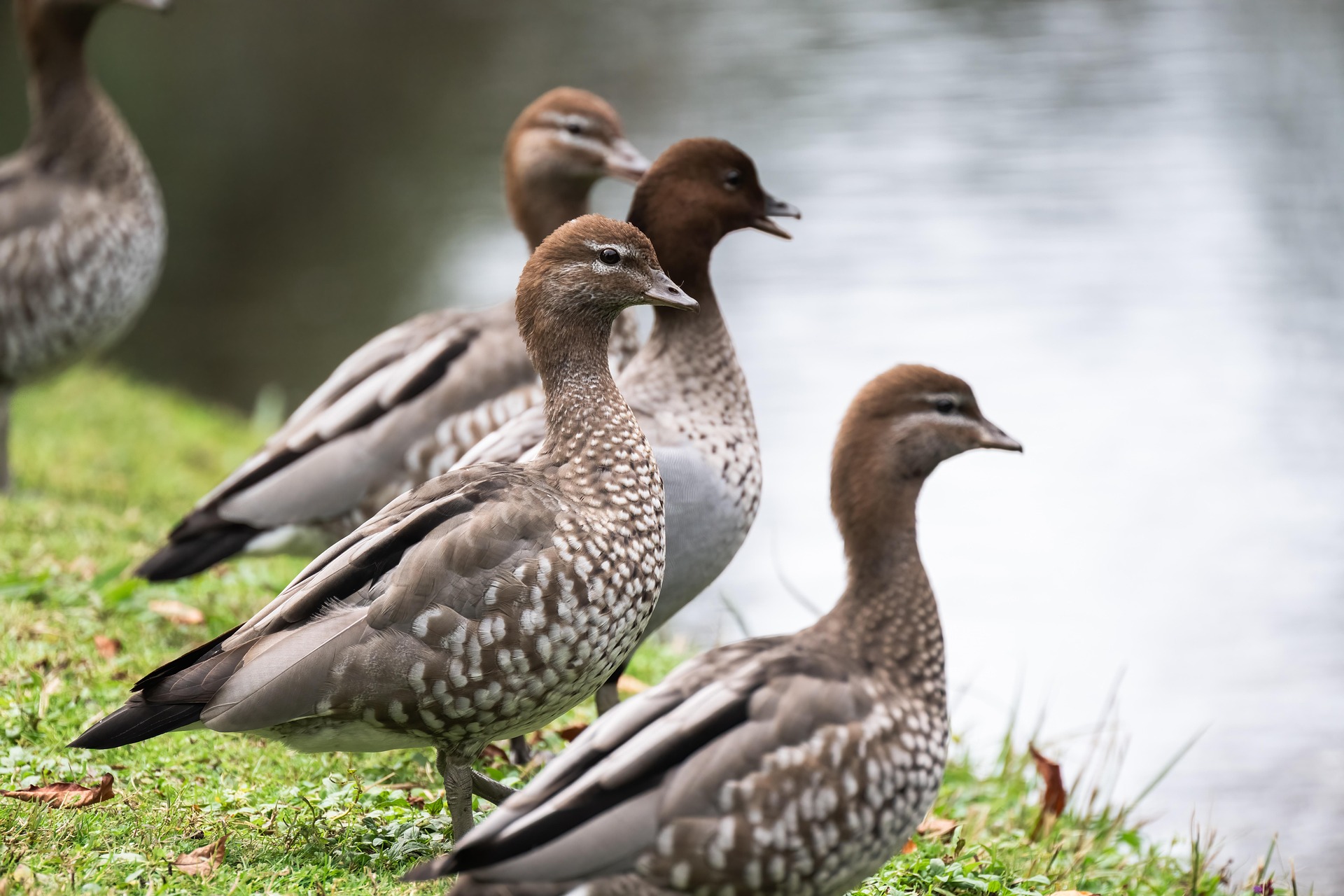
Australian Wood Ducks

Rubber Duck
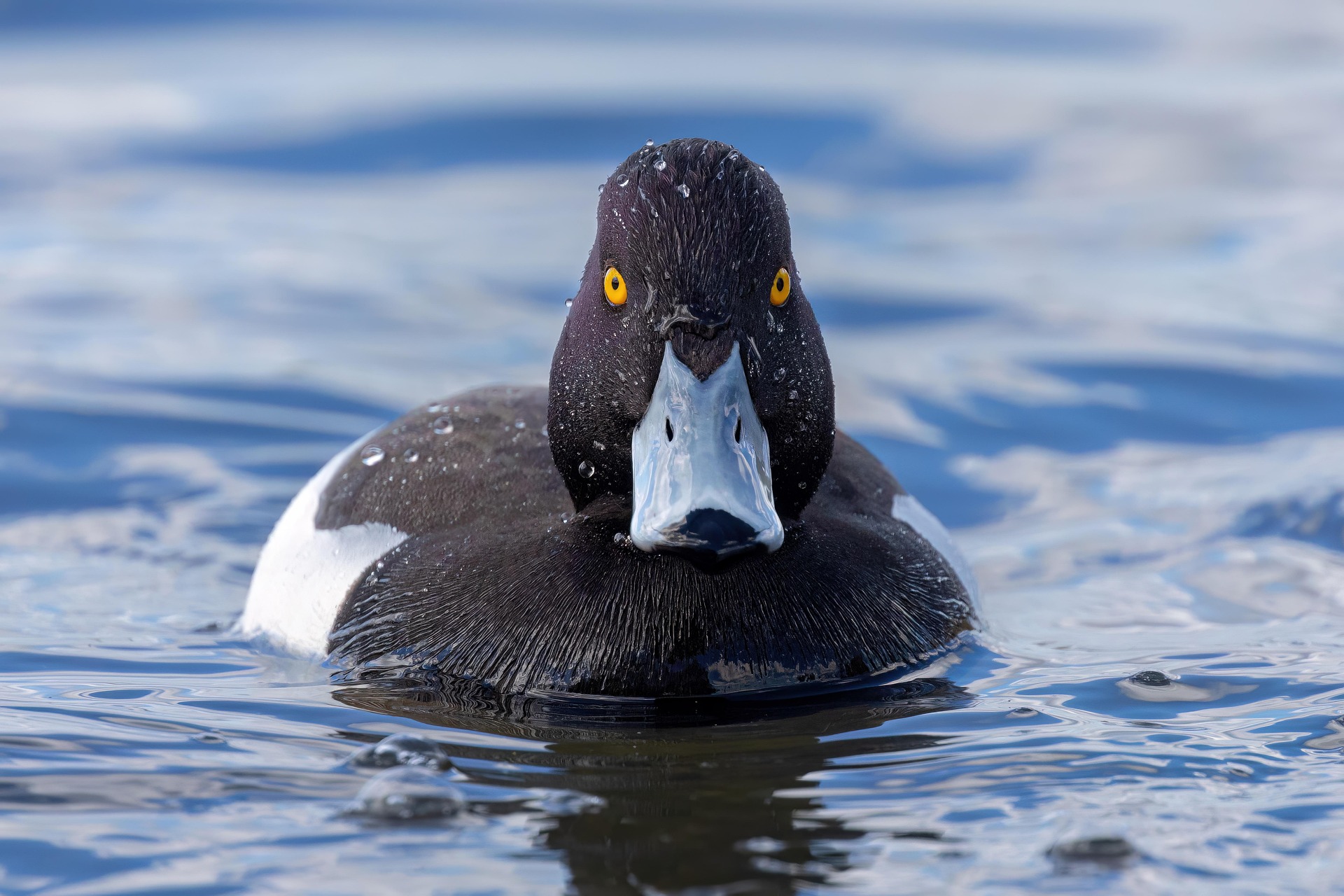
Tufted Duck
Don't be fooled!
There are many birds that look like ducks, but are not.
Just because it looks like a duck does not mean that it is a duck.
Duck Doppelgängers
| Name | Description | Status |
|---|---|---|
| American Coot | Often found in large numbers swimming together. | Not a duck |
| Common Gallinule | Has huge feet with remarkably long toes. | Not a duck |
| Common Loon | Frequents northern lakes in the summer. Has a duck-like shape. | Not a duck |
| Double-crested Cormorant | Known to bask in the sun to dry their feathers out. | Not a duck |
| Eared Grebe | Congregates in large numbers at Utah's Great Salt Lake during migration. | Not a duck |
| Pied-billed Grebe | The most widespread of the North American grebes. | Not a duck |
| Whistling Duck | More closely related to swans and geese than ducks. | Not a duck |


Source:Birds and Blooms