What is the Duck Test?
The saying, "if it looks like a duck, swims like a duck, and quacks like a duck, then it probably is a duck" is a common idiom expressing the idea that if something exhibits all the characteristics of a particular thing, it's reasonable to conclude that it is that thing. While its exact origin is debated, a likely candidate is Emil Mazey, a US union official, who used a similar phrase in 1946 to accuse someone of being a communist. He argued that even without definitive proof, the accumulation of circumstantial evidence (sight, movement, sound) strongly suggests the subject's identity. The idiom shows the power of inductive reasoning by drawing conclusions based on observable data. It's a reminder that sometimes, the obvious answer is the most likely one...
Unless it's a Duck.
Source: Idiom Origins
Don't Judge a Duck by its Quack
While it may seem like a simple enough task to determine a duck from other birds by how it looks, moves, or sounds - this does not always lead to a correct identification.
There are many birds that mimic traditional duck characteristics, making a definitive ID based solely on the idiom frequently inaccurate. A more thorough examination of the potential duck is often warranted to make an accurate ID.
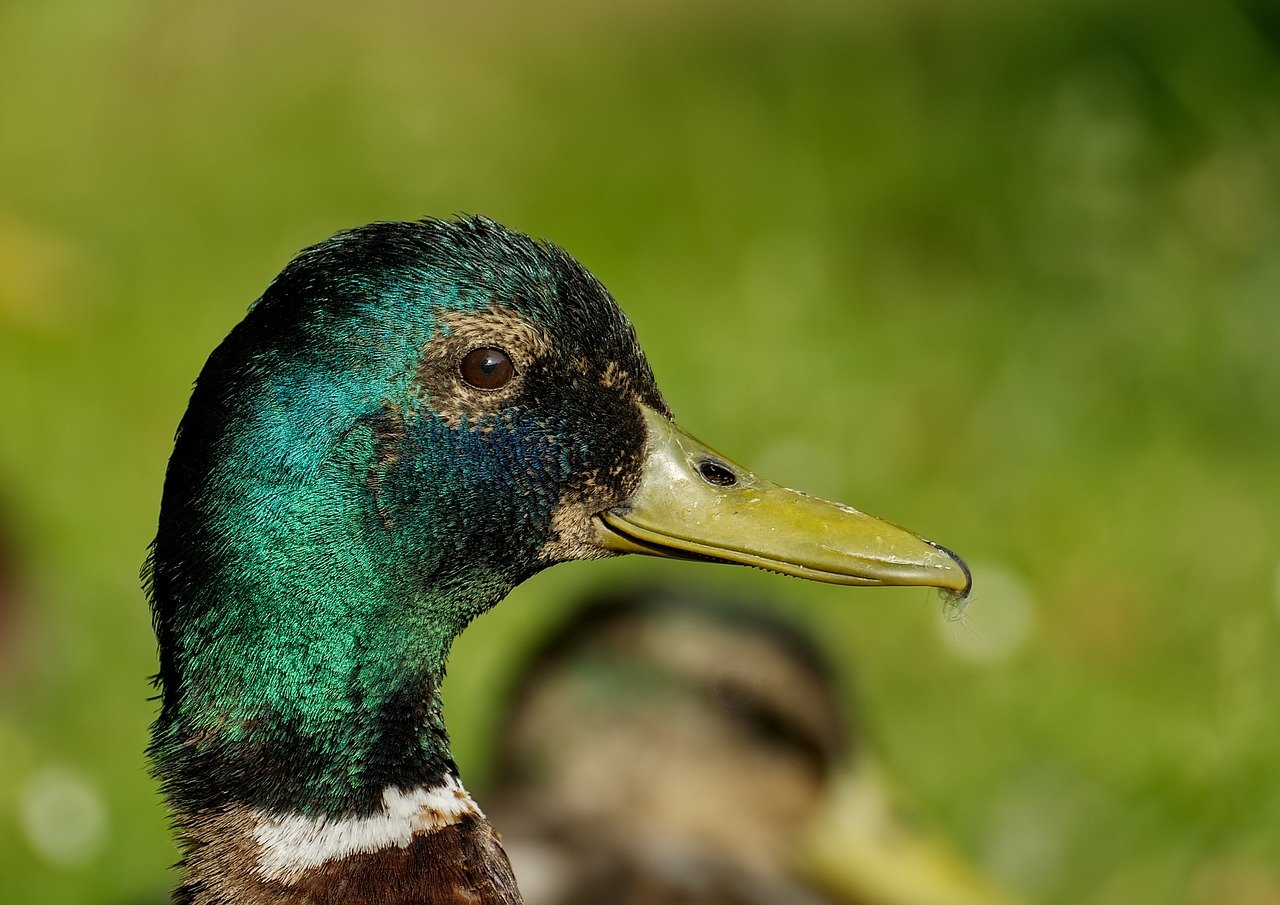
What Makes a Duck a Duck?
This website aims to detail the look, movement, and sound characteristics of ducks. First, we'll examine the diverse appearances of ducks, from their their long, flat beaks to their webbed feet. Next, we'll investigate their amazing swimming abilities, which can be credited to their lightweight bones, buoyant feathers, and use of air sacs. Lastly, we'll dive (pun intended) into the fascinating nuances of duck communication, exploring the many different types of quacks and what they mean.
Does it Look Like a Duck?
All ducks are birds, but not all birds are ducks. There are many different types of ducks.
Ducks exhibit a wide range of physical characteristics depending on the species.

Male Emerald Duck
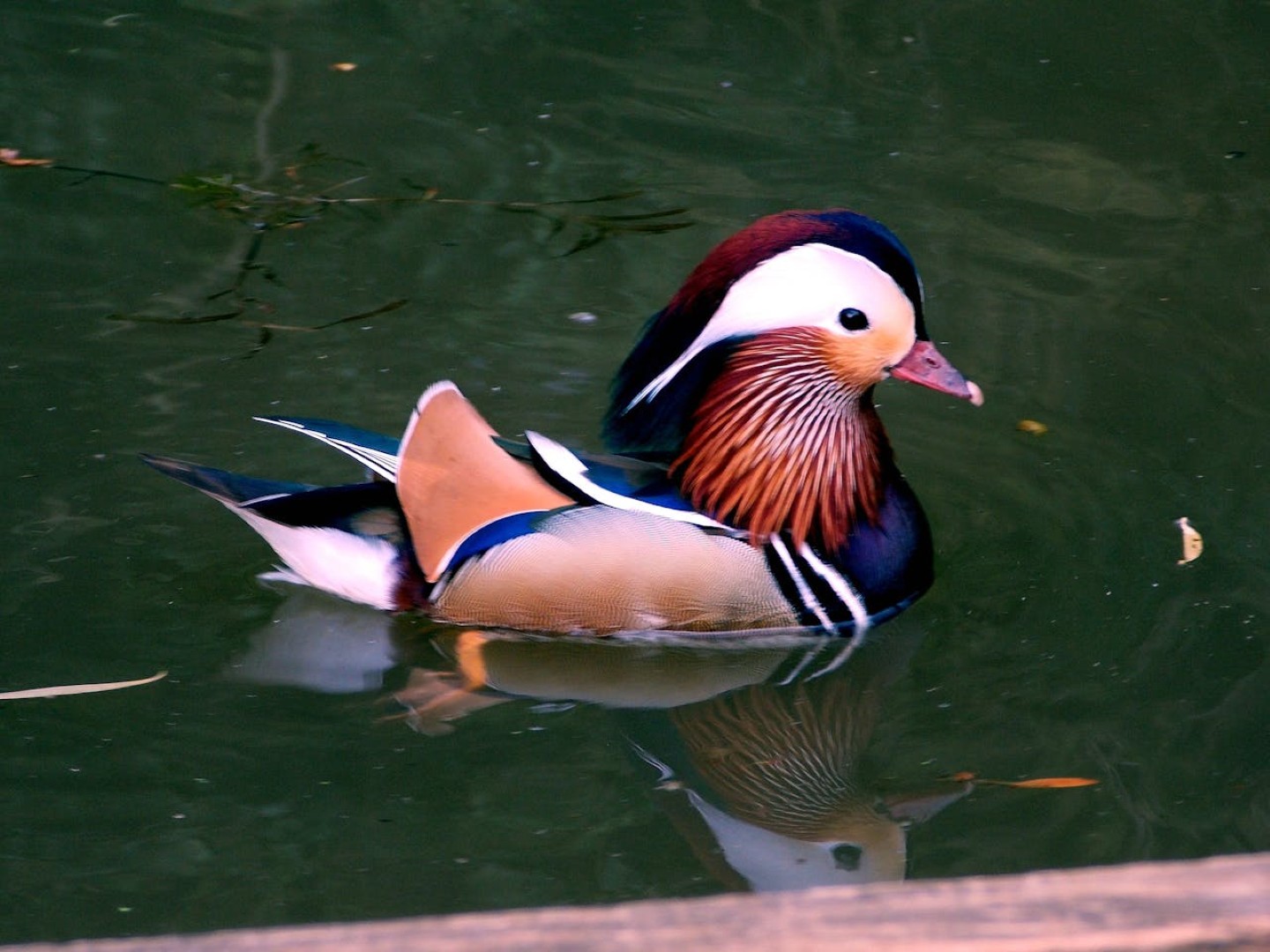
Male Mandarin Duck
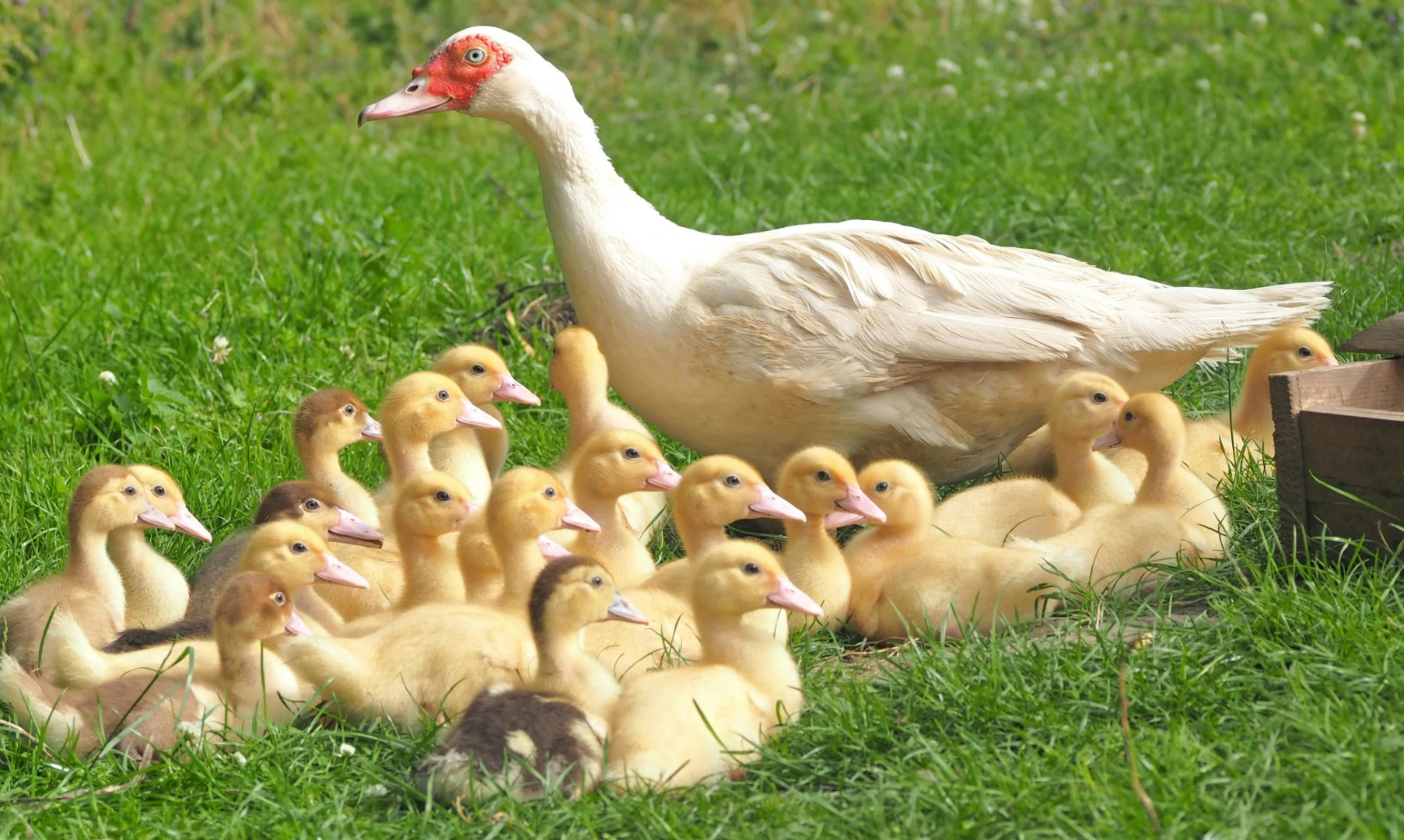
Female Muscovy Duck and Her Ducklings
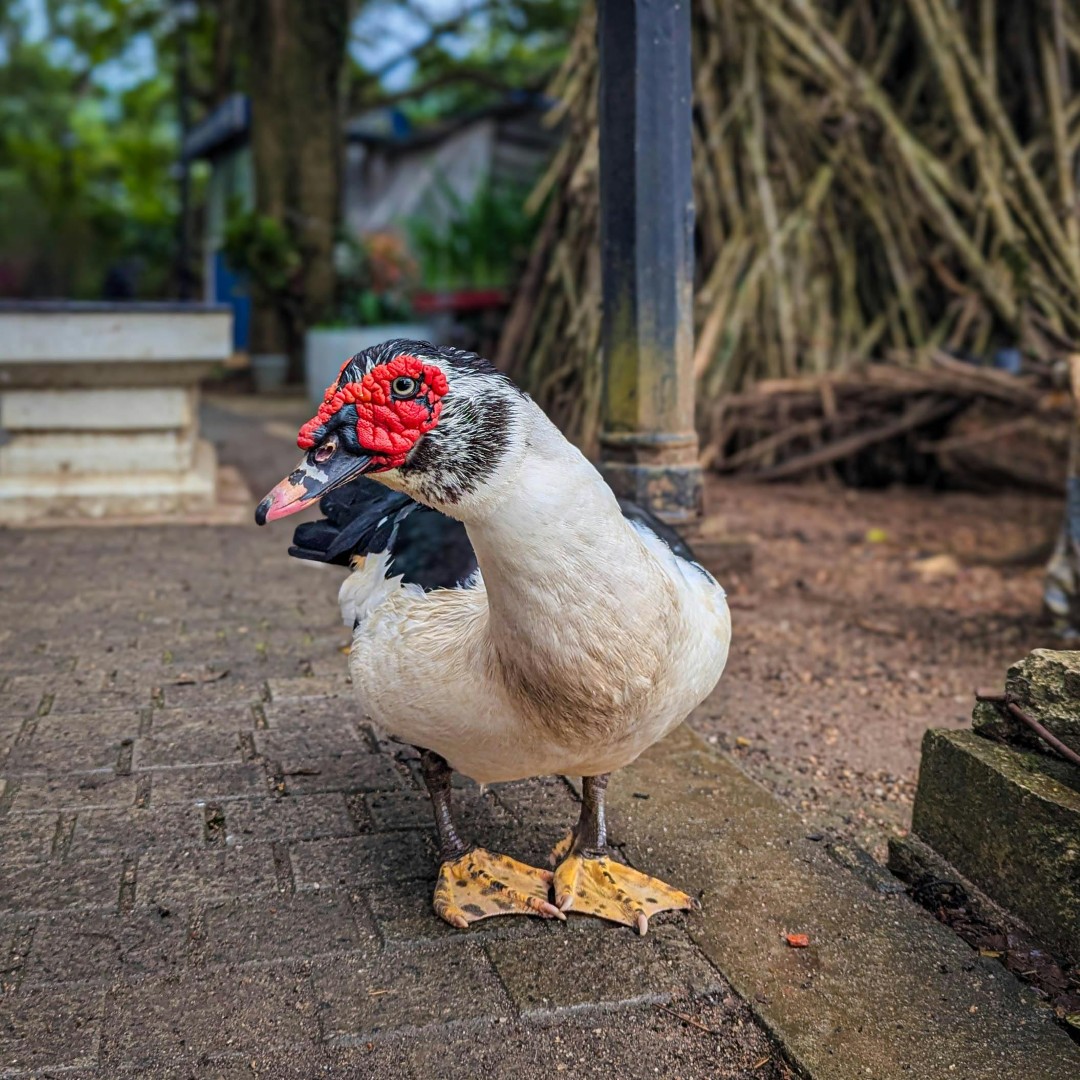
Male Muscovy Duck

Rubber Duck

Ruddy Shelduck
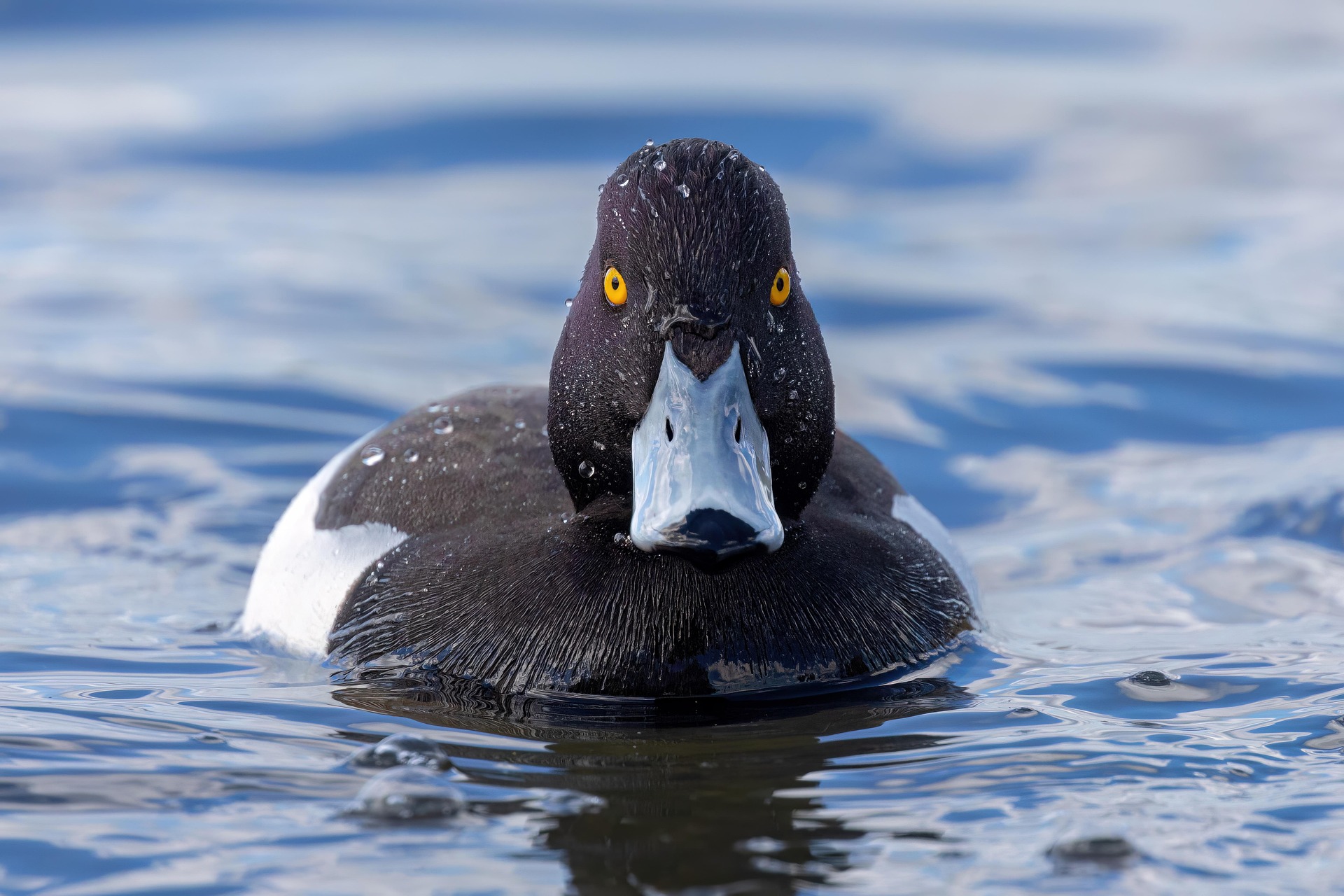
Tufted Duck
scroll ↝ for more ducks!
click image to enlarge
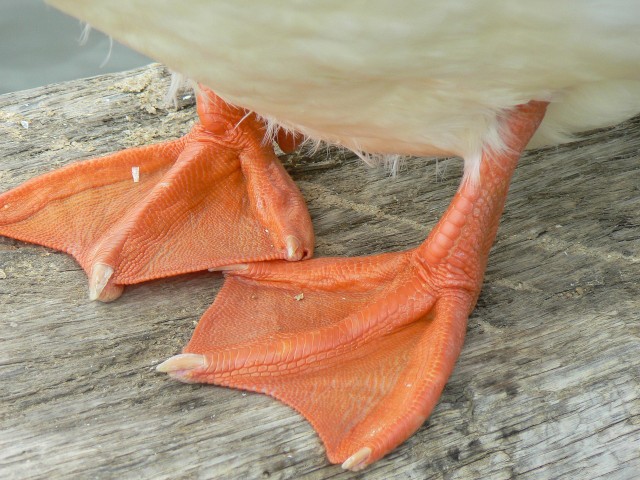
Common Physical Features of a Duck
- Ducks possess a long, broad beak for scooping up food from water or land.
- Duck feet are webbed for efficient swimming.
- Drakes (males) often display vibrant and colorful feathers.
- Hens (females) are usually brown, gray, and/or white.
- Duck feathers are waterproof, due to a special system of blood vessels and oils.
- Duck lengths can range from about 20 to 30 inches.
- Ducks can weigh anywhere from 1.5 to 15 pounds.
- Ducks have serrated edges inside their bills that act as filters when feeding in water.
- source: A-Z Animals
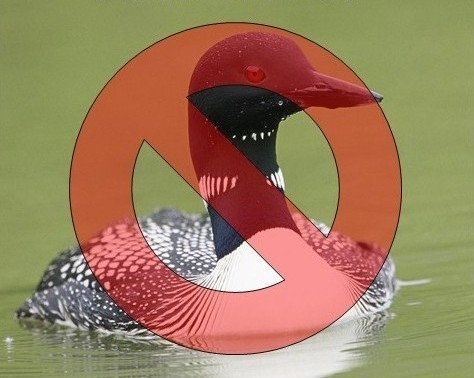
Don't be fooled!
There are many birds that look like ducks, like the common loon shown here, but they are not ducks.
Just because a bird looks like a duck does not mean that it is a duck.
Duck Doppelgängers
| Name | Description | Status |
|---|---|---|
| American Coot | Often found in large numbers swimming together. | Not a duck |
| Common Gallinule | Has huge feet with remarkably long toes. | Not a duck |
| Common Loon | Frequents northern lakes in the summer. Has a duck-like shape. | Not a duck |
| Double-crested Cormorant | Known to bask in the sun to dry their feathers out. | Not a duck |
| Eared Grebe | Congregates in large numbers at Utah's Great Salt Lake during migration. | Not a duck |
| Pied-billed Grebe | The most widespread of the North American grebes. | Not a duck |
| Whistling Duck | More closely related to swans and geese than ducks. | Not a duck |


Source: Birds and Blooms

Does it Swim Like a Duck?
A duck's swimming ability is a remarkable combination of anatomy and behavior. Their lightweight, waterproof feathers trap air which increases buoyancy. A duck also has hollow bones, layers of fat, and an internal air sac system, which all add to a duck's ability to swim. When swimming, a duck's body is mostly submerged, while keeping its head and parts of its back above the surface. It is not uncommon to see a duck resting or preening on the surface of the water.
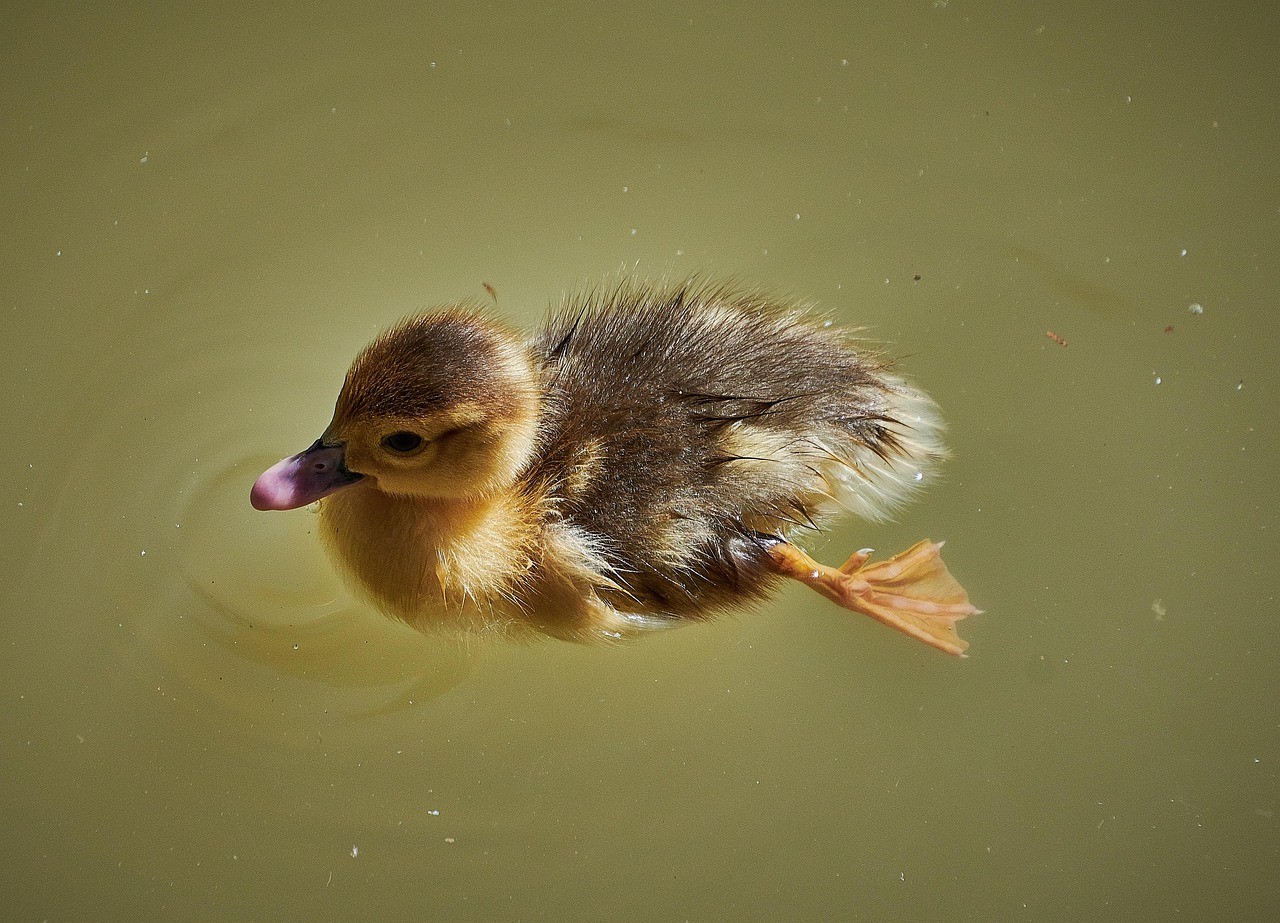
More Fun Facts About Ducks
- Ducks are called waterfowl because they live primarily near rivers, ponds, lakes, and streams.
- Some ducks live in freshwater, while others live in saltwater.
- Ducks require water for most aspects of their daily life, including drinking, feeding, and bathing.
- Duck feet have special blood vessels that helps keep their feet warm in cold water.
- Ducklings learn to swim and forage for food shortly after hatching.
- Some ducks feed at the surface of the water while other ducks dive deep into the water to find food.
- Some ducks sleep while floating on water!
- Sources: A-Z Animals, Birdful

Does it Quack Like a Duck?
A duck's quack is a complex communication system. Ducks use their quacks to express a whole range of emotions and needs, much like humans use words. It is a type of language, complete with different tones, pitches, and rhythms that convey specific meanings. From happy chatter to urgent warnings, a duck's quack is a way to understand its feelings and social interactions.
Why Does a Duck Quack?
Anatomy:
A duck's quack comes from its syrinx, a unique bird vocal organ. Air passing through vibrates membranes, creating the sound. The beak and throat act as resonating chambers, amplifying the quack. Female ducks generally have larger syrinxes, resulting in louder, more varied quacks than males.
Duckling Chatter:
Ducklings use soft peeps and chirps to communicate with their mother and siblings, signaling contentment, hunger, or distress. Their voices gradually develop into adult quacks around 6-8 weeks old.
Gender Differences:
LFemale ducks (hens) are known for their loud, classic quacks, while male ducks (drakes) have quieter, raspier voices. This difference is due to the size and structure of their syrinxes.
Social Quacks:
Ducks use quacks for social interaction. "Chatty quacks" are soft, repetitive sounds used during social gatherings. "Excited quacks" are rapid, high-pitched, and indicate anticipation.
Warning Calls:
Loud, sharp, repetitive quacks serve as alarm calls, warning the flock of danger from predators. A duck might even hiss or growl if cornered.
Mating Calls:
During mating season, ducks use specific courtship quacks. Females might soften their quacks to signal receptiveness, while males use quieter, raspier quacks combined with physical displays.
Territorial Quacks:
Ducks establish a social hierarchy, and quacks play a role in maintaining order. Louder, more aggressive quacks are used to assert dominance over resources or territory, especially when new ducks join the flock.
Attention Quacks:
High-pitched, urgent quacks signal a need, usually for food or water. This is a clear call for attention from their flock mates.
Individual Voices:
Each duck has a unique quack! Experienced duck keepers can often tell their ducks apart by their individual vocalizations.
Duck Dialects:
Ducks in different regions may develop slight variations in their quacks, similar to human dialects. These variations help ducks communicate within their specific groups.
Momma Duck Quacks:
Mother ducks use soft quacks or coos to reassure their ducklings and guide them. Urgent quacks warn of danger, while softer sounds encourage movement.
Echoes:
Contrary to popular belief, duck quacks do echo, although the unique characteristics of their quacks and the environment can affect how noticeable the echoes are.
Quiet Ducks:
Not all ducks are equally vocal. Personality, breed, health, and environment all influence how much a duck quacks. Some breeds are naturally quieter than others.